Xpeng X9 Super Extended Range: 452km Pure Electric Range and 800V Fast Charging Technology Analysis
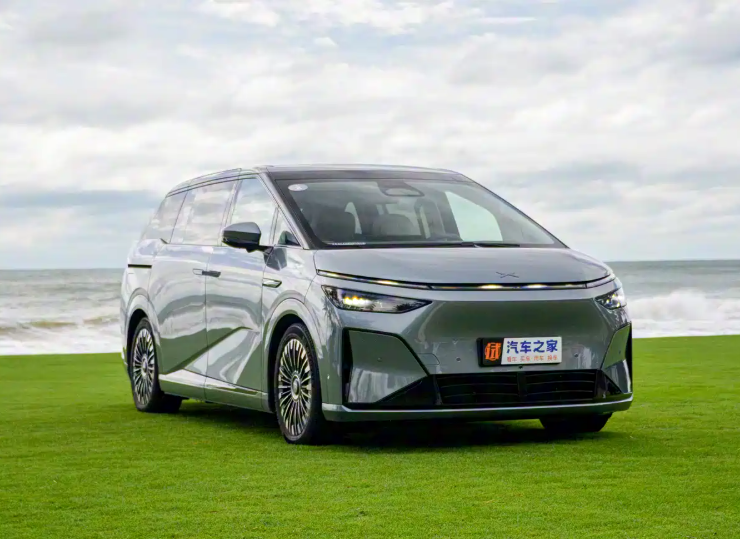
On October 27th, Xpeng Motors officially announced the new "63.3 kWh Ultra-Fast Charging Lithium Iron Phosphate Extended Range Large Battery" and confirmed that it will be first launched on the upcoming Xpeng X9 Super Extended Range model. Unlike traditional extended range systems, this solution does not simply combine fuel generation and battery storage but enhances the pure electric range to improve the pure electric experience during daily urban commuting.
With a battery capacity of 63.3 kWh, which is close to that of some mid-to-large-sized pure electric SUVs, the Xpeng X9 can achieve a pure electric range of 452 km (CLTC cycle) when fully charged. This means that in most urban users' scenarios, daily commuting can be completed in pure electric mode within a week, significantly reducing the frequency of the fuel engine's intervention and improving energy efficiency.
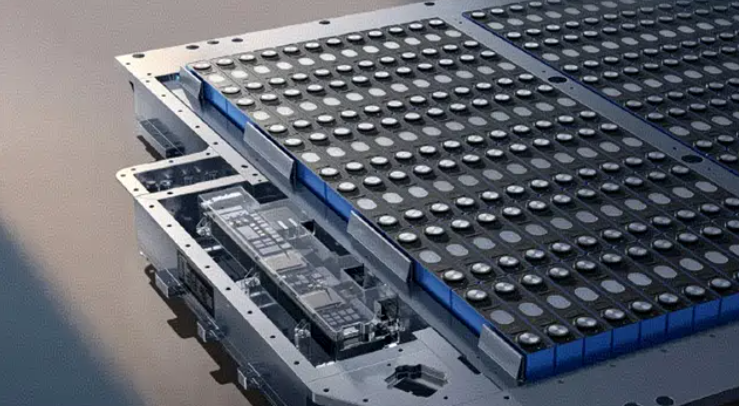
63.3 kWh Lithium Iron Phosphate Battery Debuts, Extended Range Concept Evolves
This battery system is developed based on an 800V high-voltage platform and is compatible with a 5C fast charging rate, allowing for a 313 km range boost in just 10 minutes. This data indicates that Xpeng has advanced fast charging performance to a commercially viable stage, with charging efficiency approaching that of high-performance pure electric platforms.
In terms of implementation, the battery pack adopts a multi-level thermal control strategy, maintaining a stable charging temperature through a liquid cooling system to prevent thermal runaway during high-rate charging. Combined with the extended range system's backup power generation mode, this platform can achieve an "electric first, fuel as a backup" energy management logic during long-distance travel, thereby reducing users' range anxiety. For users who prioritize both urban and inter-provincial travel, this charging speed and energy redundancy structure significantly enhance convenience and driving continuity.
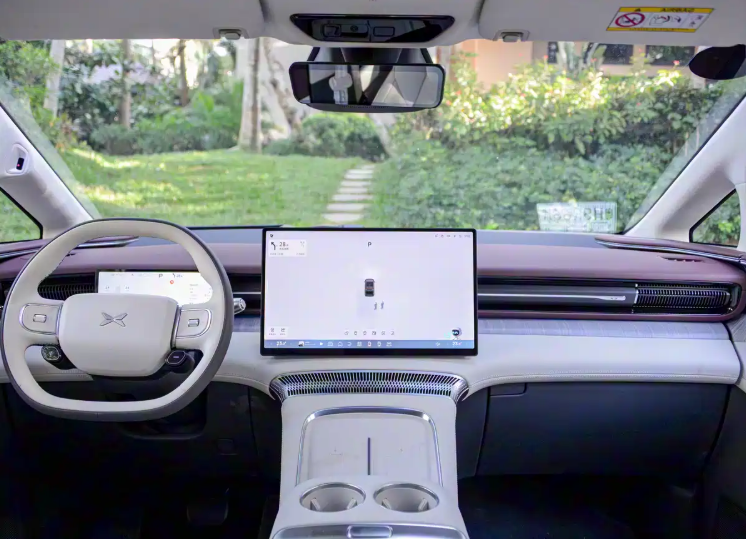
Cycle Life Exceeds 2,000 Cycles, Emphasizing Long-Term Stability
Battery life is one of the long-term value indicators that users are most concerned about. According to Xpeng's official information, this lithium iron phosphate extended range battery has a cycle life of over 2,000 cycles, theoretically supporting a cumulative driving distance of over 900,000 kilometers.
The lithium iron phosphate system is known for its structural stability and high thermal stability, but its energy density is relatively lower than that of ternary lithium batteries. In this technology, Xpeng adopts a high-voltage battery pack design and energy layering management strategy, balancing safety and range performance. Through the intelligent battery management system (BMS) energy optimization algorithm, the voltage difference between cells is automatically balanced, slowing down the rate of capacity decline and thus extending the battery's usable life. In the long term, this structural durability optimization not only helps stabilize vehicle residual value but also provides higher feasibility for subsequent secondary use or tiered energy storage.
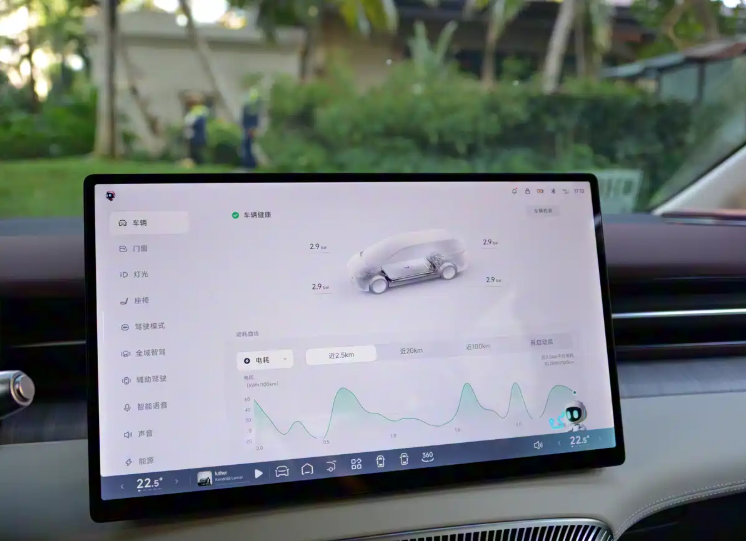
Safety Structure Upgrade: 4-3-4 Protective Frame and Liquid Cooling Constant Temperature System
In terms of safety protection, Xpeng has designed a "4-3-4 Three-Dimensional Safety Protection Frame" for this battery system, establishing multiple defense lines from the structural, thermal management, and electronic control layers.
The external shell is made of high-strength aluminum alloy through an integrated die-casting process, and the internal cell area is equipped with puncture-proof and heat insulation barriers to maintain integrity under external impact. The liquid cooling constant temperature system controls the temperature difference within 5°C through an independent cooling circuit, ensuring thermal balance during high-load charging and discharging and reducing the risk of thermal runaway.
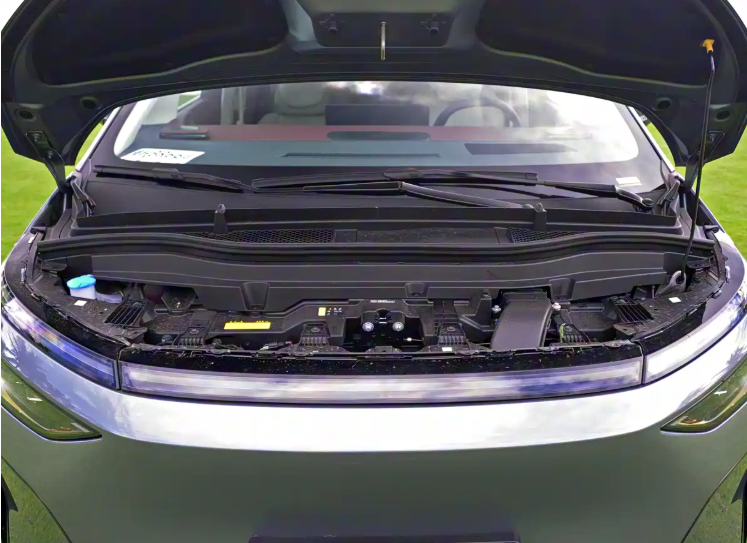
It is worth noting that this battery system has already met the new national safety standards for 2026, featuring a "no thermal spread" design. That is, in the event of a single cell thermal runaway, the system can prevent the spread of heat through the insulation layer, preventing the entire battery pack from overheating. This technical approach reflects Xpeng's systematic thinking in battery pack safety structures.
AI 24-Hour Battery Doctor: Proactive Health Monitoring and Remote Diagnosis
The shift from passive protection to proactive management in battery health monitoring is an important trend in the development of electric vehicles in recent years. The AI 24-hour battery doctor system equipped in the XPeng X9 continuously monitors the temperature, voltage fluctuations, and internal resistance changes of the battery cells and uses cloud algorithms to identify potential anomalies. When the system detects voltage deviations, abnormal temperatures, or imbalanced charging and discharging, it automatically adjusts the energy management strategy or prompts the user to perform maintenance checks. This mechanism effectively reduces hidden risks during long-term use and minimizes performance fluctuations caused by battery aging or management failures. This monitoring system is integrated with the vehicle's OTA, allowing for remote updates to optimize energy consumption strategies and provide continuous protection for battery health. This intelligent battery management has gradually become a core competitive element for smart electric vehicles.
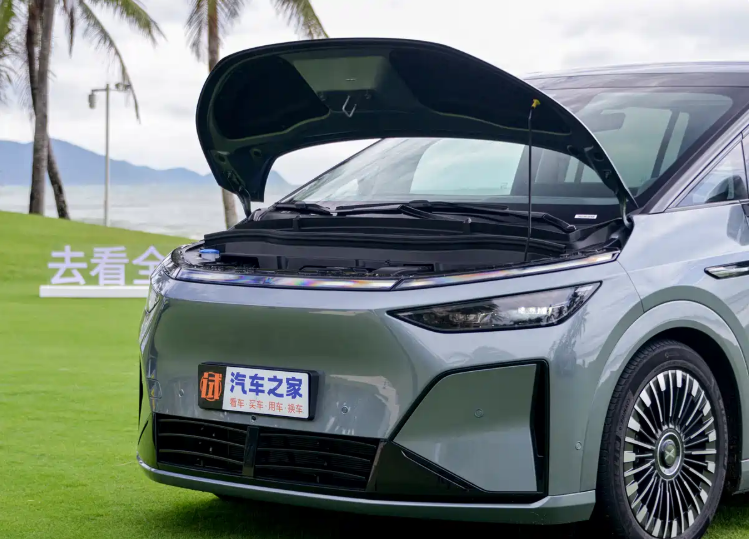
IP68 protection and multi-scenario compatibility enhance the vehicle's environmental adaptability
Considering different climates and road conditions, the battery pack has achieved an IP68 dust and water resistance standard. This protection level means the vehicle can safely travel in water up to 1 meter deep and maintain the stability of the electrical system in complex weather conditions.
At the same time, XPeng has optimized charging and discharging control for low-temperature environments. The liquid cooling system can preheat the battery cells in winter to accelerate temperature recovery and ensure fast charging efficiency; in summer, it can actively cool to suppress high-temperature accumulation and maintain stable internal pressure of the cells. These designs enhance the vehicle's reliability in different climate zones, making the X9's range-extending battery more versatile.
Range-extending architecture and battery matching, balancing range and energy efficiency
On the XPeng X9, this battery is not independent but deeply integrated with the range-extending system. The vehicle automatically adjusts the energy distribution between the motor and the range extender based on driving mode, remaining battery level, and operating conditions. When the battery level drops below a set threshold, the range extender intervenes to generate electricity and maintain the SOC range, ensuring the vehicle always operates in an efficient energy output zone.
Compared to traditional range-extending systems, XPeng's logic leans towards "electric drive dominance with oil as a supplement," maximizing the proportion of pure electric mileage. In daily commuting, the X9 can almost be regarded as a medium to large-sized pure electric MPV, while in long-distance scenarios, the range extender plays a supporting role in maintaining range, allowing users to maintain high efficiency of the energy system regardless of the travel radius.
Technical significance: From battery expansion to energy system innovation
The significance of this 63.3 kWh large battery lies not only in extending the range but also in reconfiguring the energy ratio structure of the range-extending system. Previously, range-extending solutions relied heavily on the engine to generate electricity and maintain battery levels. Now, by increasing battery capacity and charging speed, XPeng has pushed the pure electric portion to the dominant position, making the range-extending structure closer to a pure electric experience.
This direction aligns with the transitional logic of electrification development - in the stage where charging infrastructure is not yet fully developed, a hybrid energy solution balances long-range and convenience, providing users with a smoother experience. For the brand, this is also a technological accumulation in energy management systems and safety architectures.
Summary: The XPeng X9 range-extending battery represents a comprehensive upgrade of the energy system
Overall, the 63.3 kWh ultra-fast charging lithium iron phosphate range-extending battery in the XPeng X9 not only expands the pure electric range but also achieves systematic upgrades in fast charging efficiency, safety structure, and intelligent monitoring.
The 800V + 5C charging architecture makes energy replenishment more efficient; a 2000-cycle lifespan ensures long-term economic use; the 4-3-4 protection system and AI battery doctor enhance safety and reliability. For future range-extending platforms, the implementation of this battery technology marks the industry's transition from "balance between electricity and oil" to a "electric drive dominance" new stage.
The simultaneous advancement in energy efficiency, usage convenience, and safety systems makes the XPeng X9 not just a range-extending model but a key technological milestone in XPeng's electric transformation path.


